

When a major messaging platform announces a new security feature, the ripple effects can be felt far beyond its user base. In early 2023, WhatsApp revealed plans to allow users to lock individual chats with biometric or passcode protection—a move that has stirred both relief among privacy advocates and concern among those who suspect it may enable clandestine surveillance.
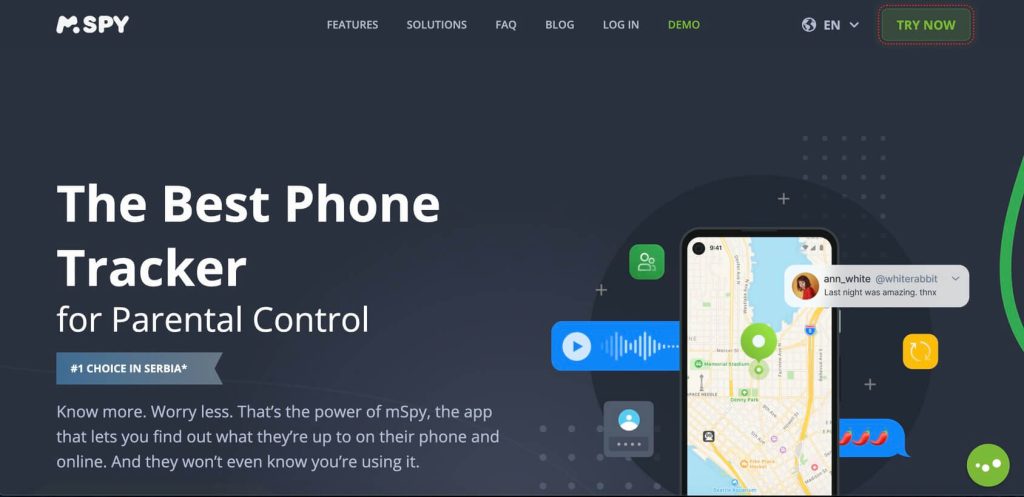
While the feature is still rolling out, tech journalists and cybersecurity experts are dissecting its implications. A growing list of third‑party monitoring apps—such as mSpy, SpyBubble, XNSPY, Cocospy, and uMobix—already offer ways to track calls, messages, and even GPS location. The new lock‑chat option could either bolster user safety or become a loophole for hidden monitoring.
The Anatomy of WhatsApp’s Lock‑Chat Function
According to the independent blog WABetaInfo, the feature works by moving selected conversations into a dedicated “Locked Chats” screen. Only users who unlock their device with a fingerprint or passcode can view these messages, and any unauthorized attempt to access the phone will prompt the chat to be cleared automatically.
- Selective Protection: Users choose which chats to lock—ideal for sensitive conversations about finances or personal matters.
- Biometric Gatekeeping: Locks can be secured with a fingerprint scan, reducing reliance on memorized passcodes.
- Auto‑Clear Feature: If someone fails to authenticate, the chat is wiped from view, preventing accidental disclosure.
This design mirrors hardware‑level security measures found in modern smartphones. However, the software’s implementation raises questions about whether it truly prevents all forms of interception, especially when third‑party apps are involved.
Third‑Party Spyware and Their Growing Reach
The landscape of mobile surveillance is populated by several well‑known players. Each offers a different mix of features that can circumvent or exploit the very safeguards WhatsApp aims to strengthen.
| App | Key Features | Platforms |
|---|---|---|
| mSpy | GPS tracking, keylogger, call logs, message monitoring | Android, iPhone, iPad |
| SpyBubble | Social app monitoring (WhatsApp, Snapchat, Facebook), call tracking | Android, iOS |
| XNSPY | Call recording, message logging, screen capture | Android, iPhone, iPad |
| Cocospy | Browser history, call logs, WhatsApp monitoring | Android, iOS |
| uMobix | Call logs with timestamps, deleted message tracking, geolocation | Android, iOS |
These tools often operate in stealth mode, leaving minimal footprints on the target device. When combined with WhatsApp’s lock‑chat feature, a savvy user could theoretically bypass the intended privacy safeguards by employing a keylogger to capture the passcode or by using a screen‑capture technique.
The Legal Landscape: Where Do These Apps Stand?
In many jurisdictions, installing spyware without consent is illegal. However, some countries permit such monitoring for parental control or employee supervision under strict regulations. The legal gray area becomes more pronounced when the target device belongs to a partner or spouse.
- Parental Control: Many families use apps like mSpy to keep tabs on minors’ online activity, citing safety concerns.
- Employment Monitoring: Companies sometimes install monitoring software on company phones, but must disclose policies and obtain employee consent.
- Personal Surveillance: Using spyware against a spouse without mutual agreement can lead to civil or criminal liability.
The introduction of locked chats may not change the legal status of these apps, but it does shift the conversation toward responsible usage and informed consent.
User Reactions: Trust vs. Suspicion
Early adopters of the lock‑chat feature have expressed mixed feelings. Some praise WhatsApp for giving them control over who sees their private conversations, while others fear that the new security layer could be exploited by malicious actors.
“I love that I can lock my business chats,” says Laura M., a small‑business owner in Geneva. “But I’m also wary of how easy it is for someone to install spyware and bypass these locks.” – ThePost
Cybersecurity firms warn that no software can guarantee absolute privacy. They recommend a layered approach: use encrypted messaging, enable two‑factor authentication, and keep device firmware up to date.
Industry Experts Weigh In
Dr. Elena Rossi, professor of Digital Ethics at the University of Zurich, notes that “the lock‑chat feature is a step in the right direction, but it must be complemented by broader legal and educational frameworks.” Meanwhile, TechNews highlights that WhatsApp’s end‑to‑end encryption remains robust, yet user vigilance is still paramount.
How the Lock‑Chat Feature Could Change the Spyware Game
If the feature proves effective, it could push spyware developers to innovate further. Some speculate that future versions might integrate with biometric data directly, making passcode bypass impossible without the owner’s fingerprints.
- Biometric Locking: Potential integration of facial recognition or iris scans into messaging apps.
- Dynamic Encryption Keys: Changing encryption keys per chat could thwart static keyloggers.
- Real‑Time Monitoring Alerts: Users might receive notifications if a new app is installed that attempts to access their chats.
Conversely, the threat of spyware may decrease if users adopt stronger security practices. For instance, enabling the “Lock Chats” feature and regularly reviewing installed apps can create an environment where malicious software struggles to operate unnoticed.
Consumer Tips for Staying Safe
- Enable Lock‑Chats: Prioritize locking sensitive conversations.
- Use Strong Biometric Authentication: Keep your device’s fingerprint or facial recognition active.
- Audit App Permissions: Periodically check which apps have access to your messages and location.
- Update Firmware Regularly: Apply security patches promptly to mitigate known vulnerabilities.
- Educate Family Members: Discuss privacy expectations and legal boundaries regarding monitoring.
The Road Ahead: What We Expect in 2026 and Beyond
As WhatsApp rolls out the lock‑chat feature globally, developers of monitoring apps will likely respond with updates or new offerings. The competition could spur better security for legitimate users but also more sophisticated spyware for illicit use.
Tech analysts predict that by late 2026, we’ll see a surge in “privacy‑first” messaging platforms that build encryption and locking mechanisms into their core design. Meanwhile, regulatory bodies may draft clearer guidelines on the permissible scope of digital surveillance to protect individuals from unwarranted intrusion.
For now, the conversation remains open: Is WhatsApp’s new feature a shield or a sword? Only time—and user vigilance—will reveal the true balance between privacy and surveillance in our increasingly connected world.